Key takeaways
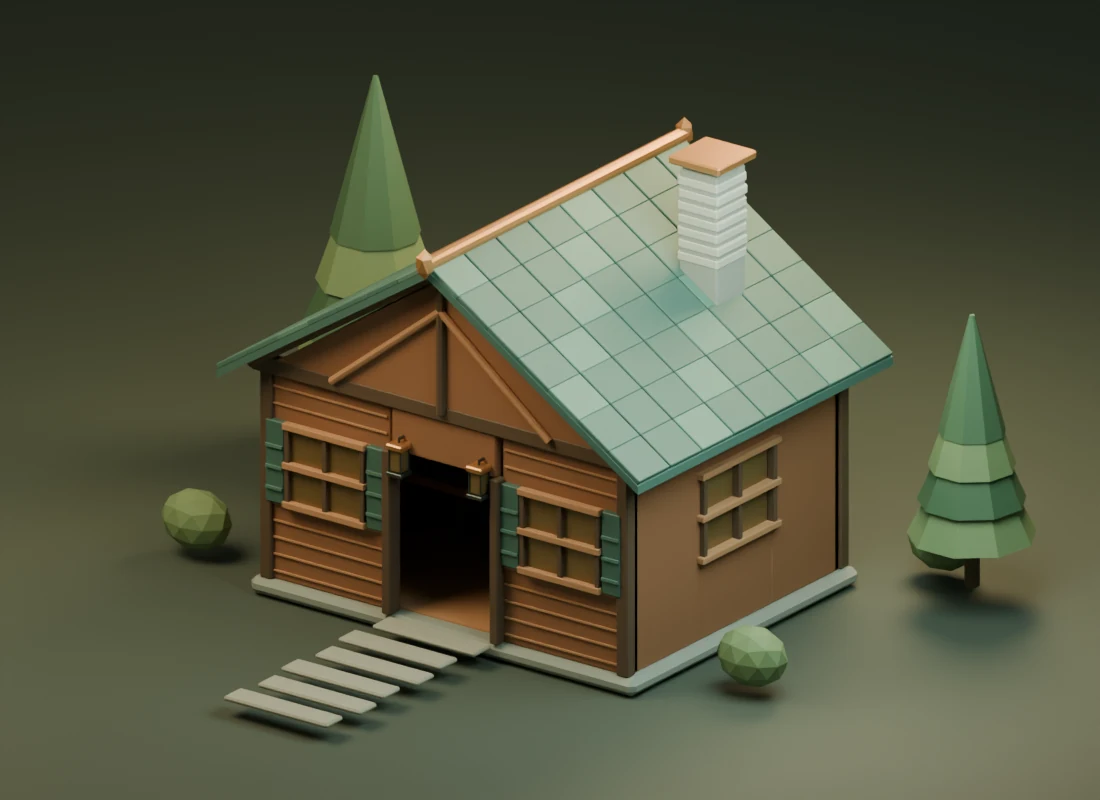
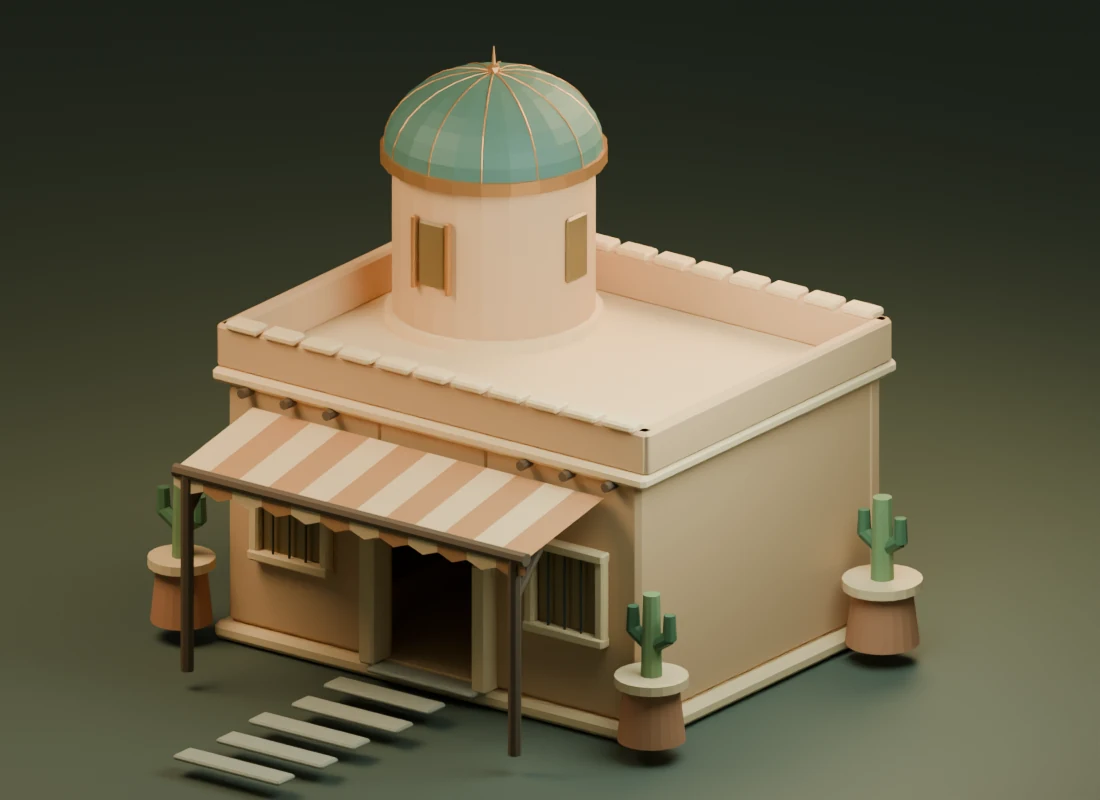
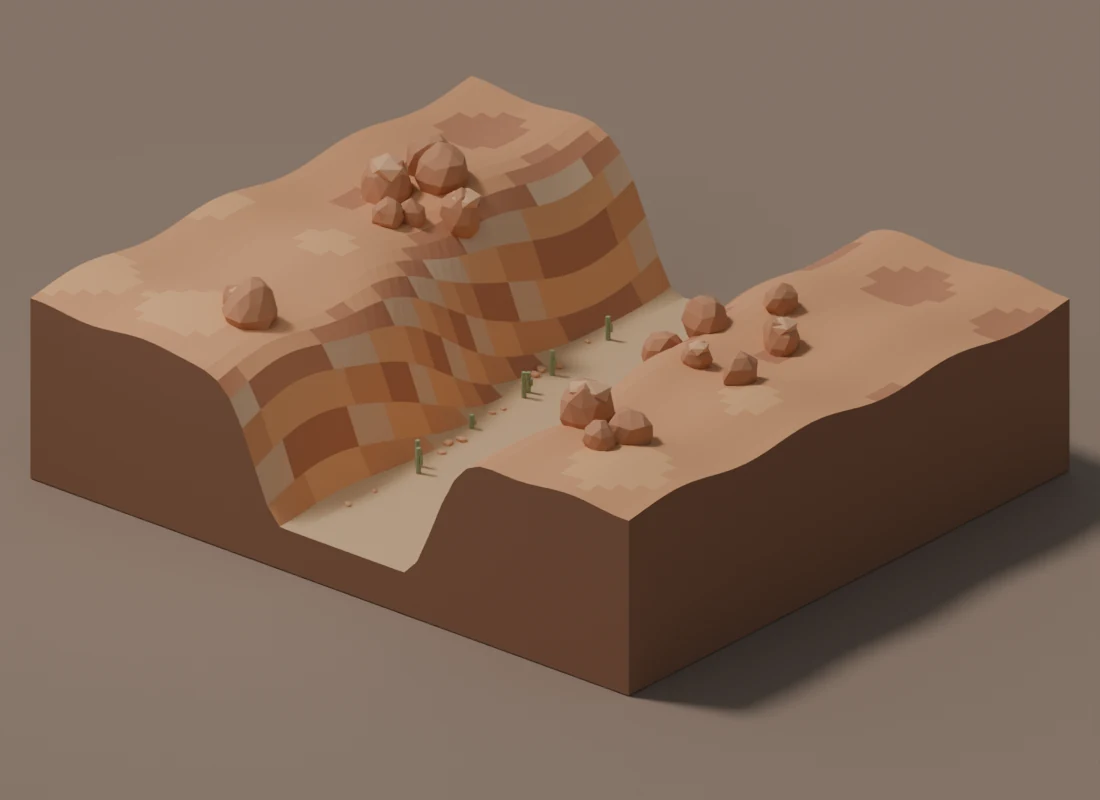
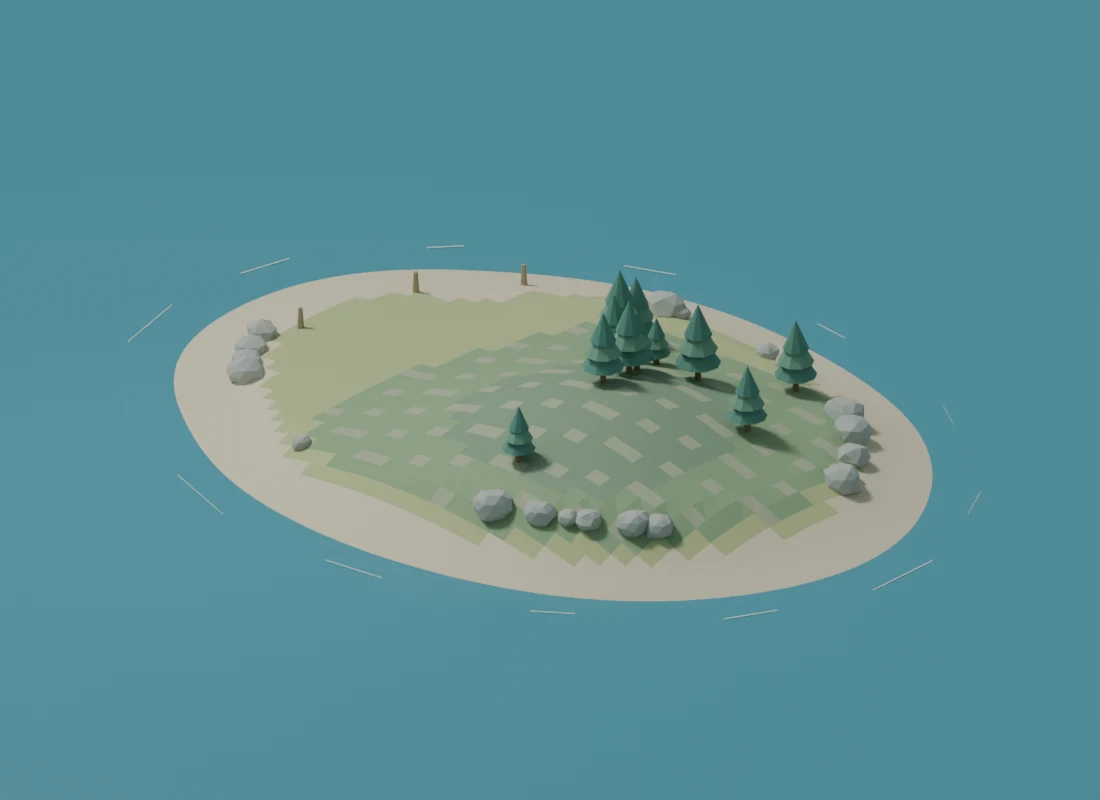
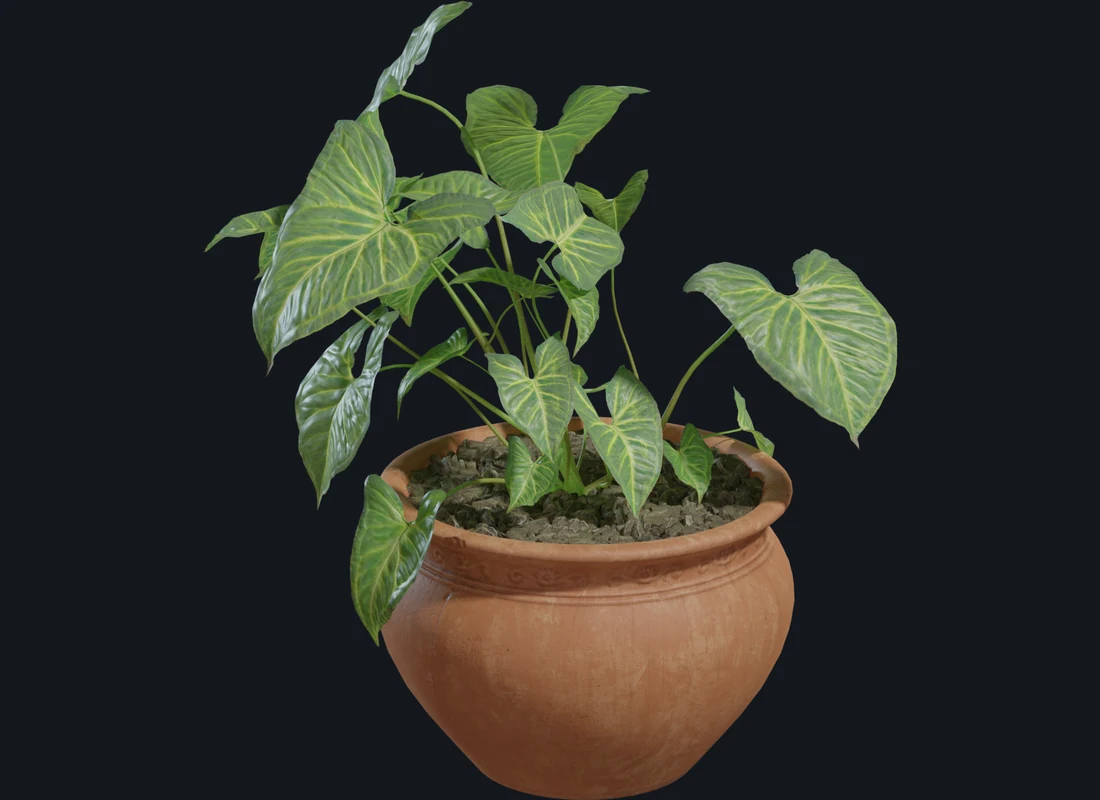
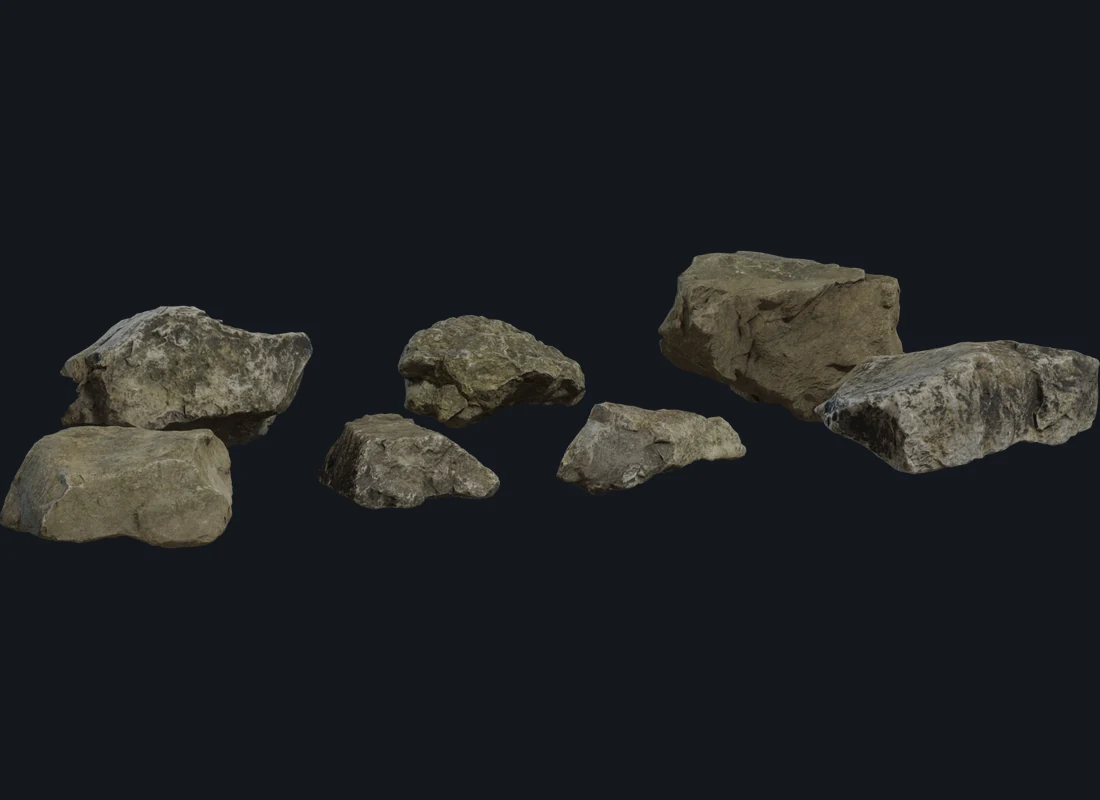
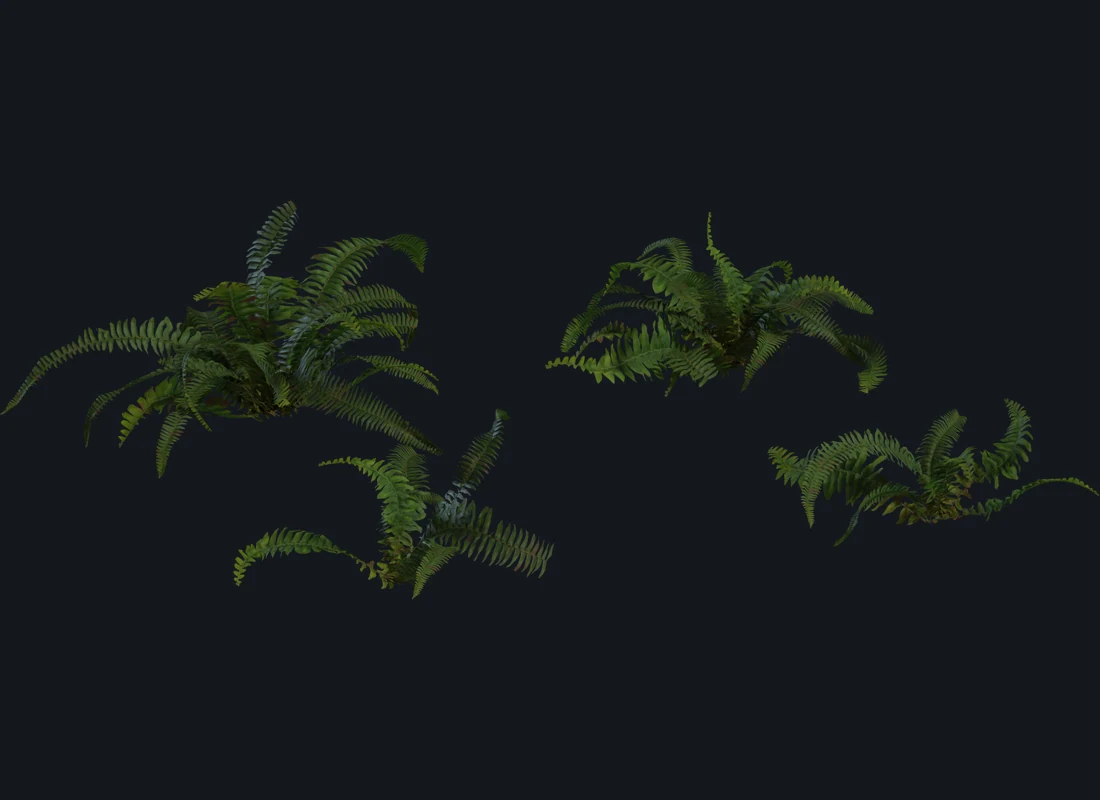
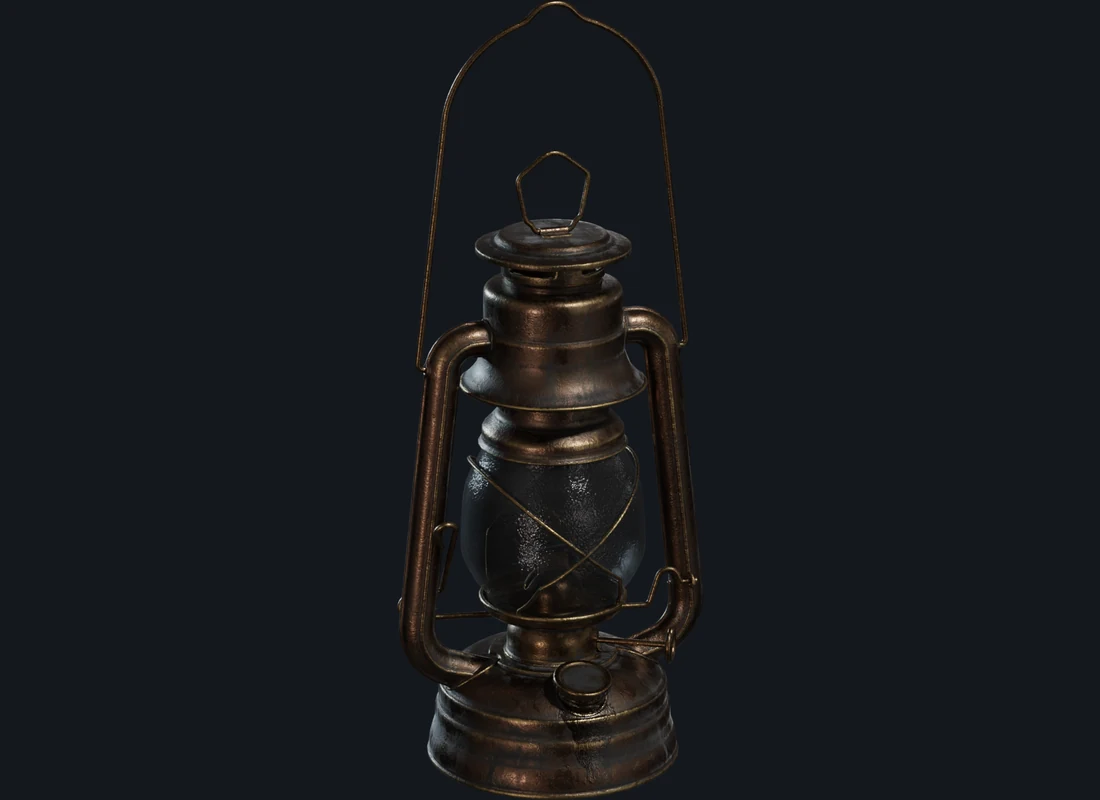
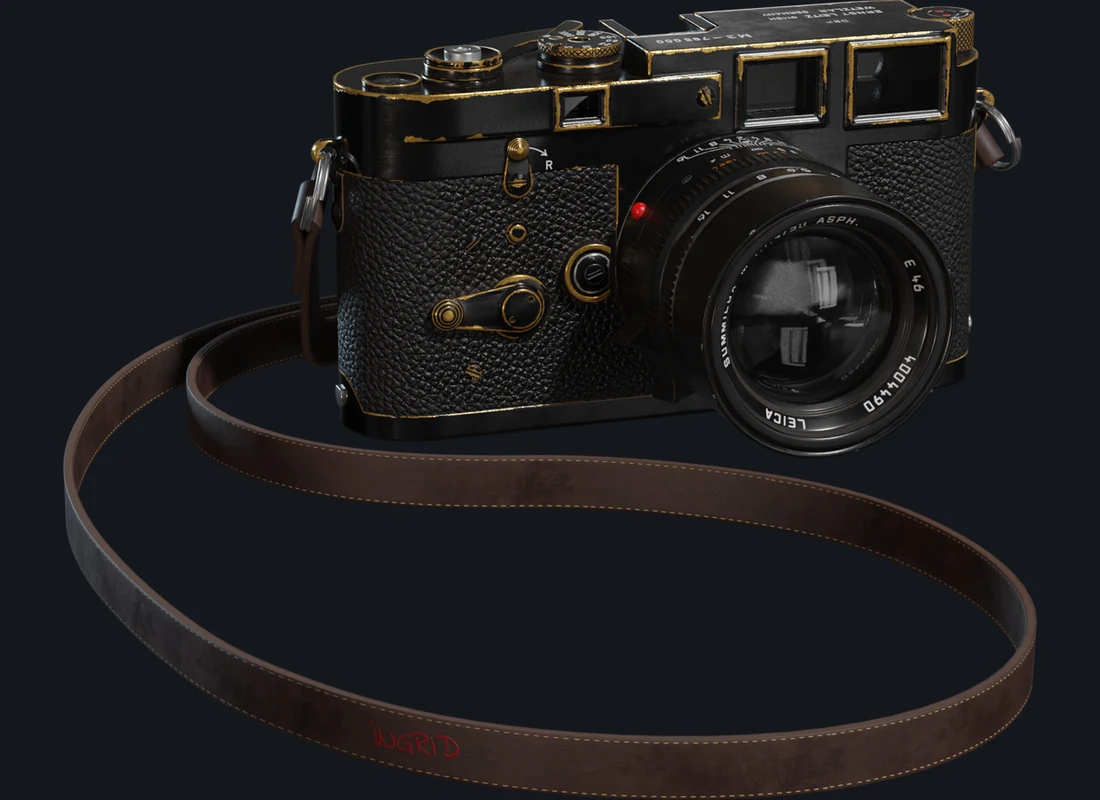
- Nine downloadable CC0 1.0 packs: three enterable buildings, three walkable terrain landscapes, and three static props, free for personal and commercial games without attribution.
- Complete zip per scene: models/standard.glb, models/lightweight.glb, scene.json navigation/collision data, report.json metrics, SHA-256 checksums, and a self-contained Three.js viewer.
- Honest measured numbers: exact triangle counts, material counts, metre dimensions, and byte sizes are read directly from the shipped files with zero fabricated reduction ratios.
- Category-appropriate collision: compound local boxes keep building arches and doorways open, 49 × 49 heightfields guide terrain walking, and conservative boxes wrap solid props.
More than a static model preview
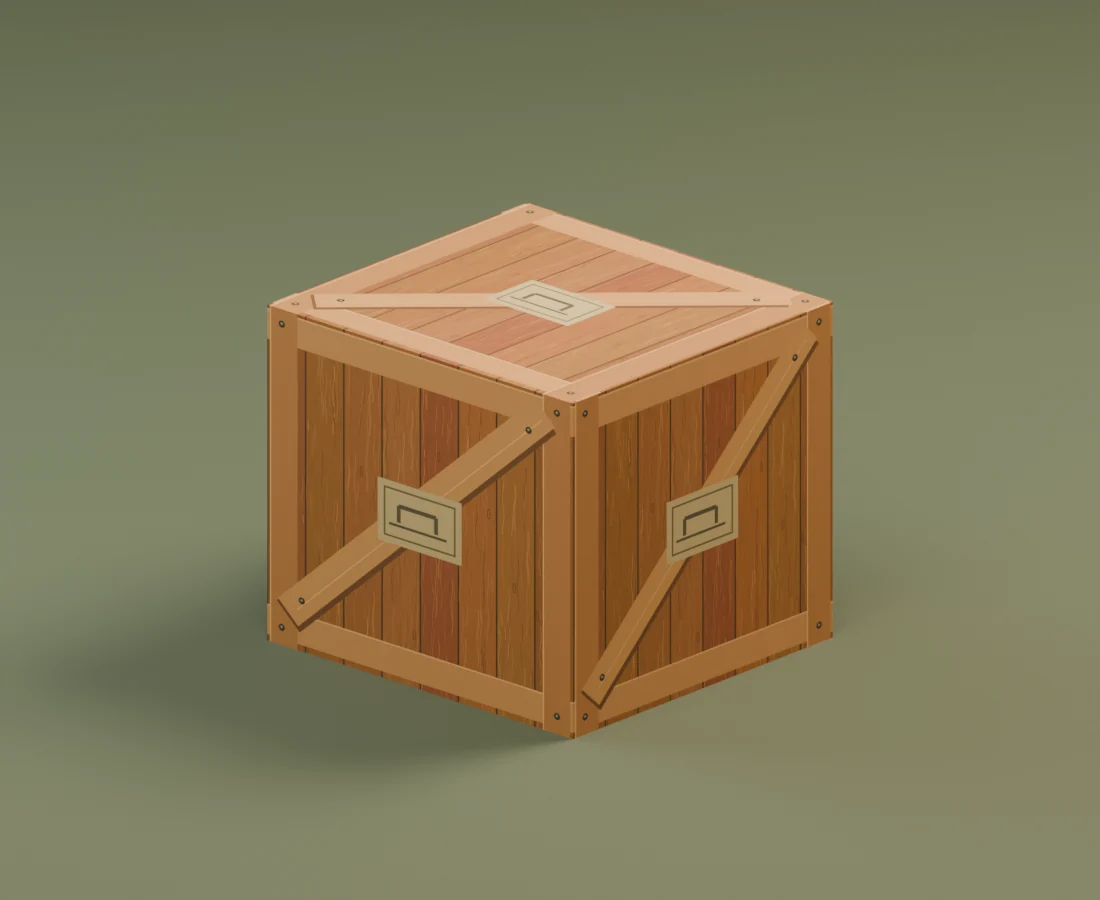
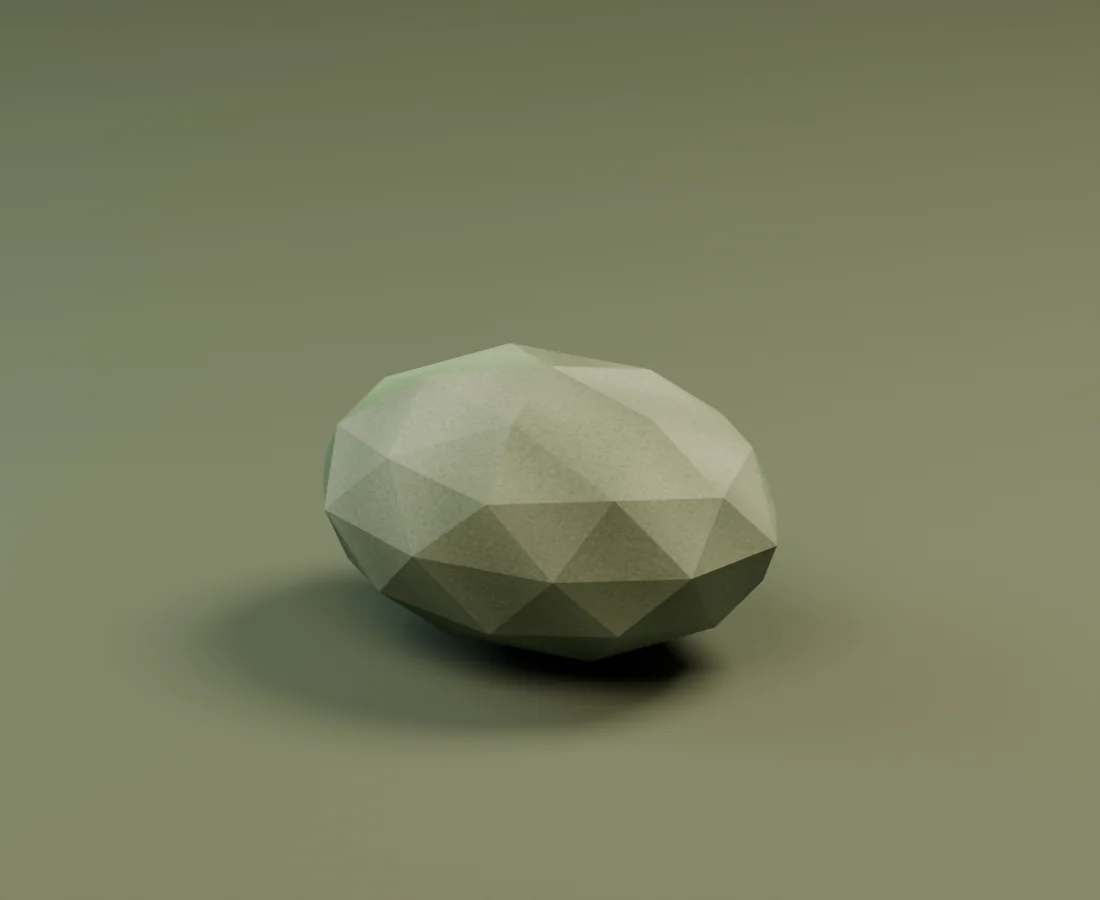
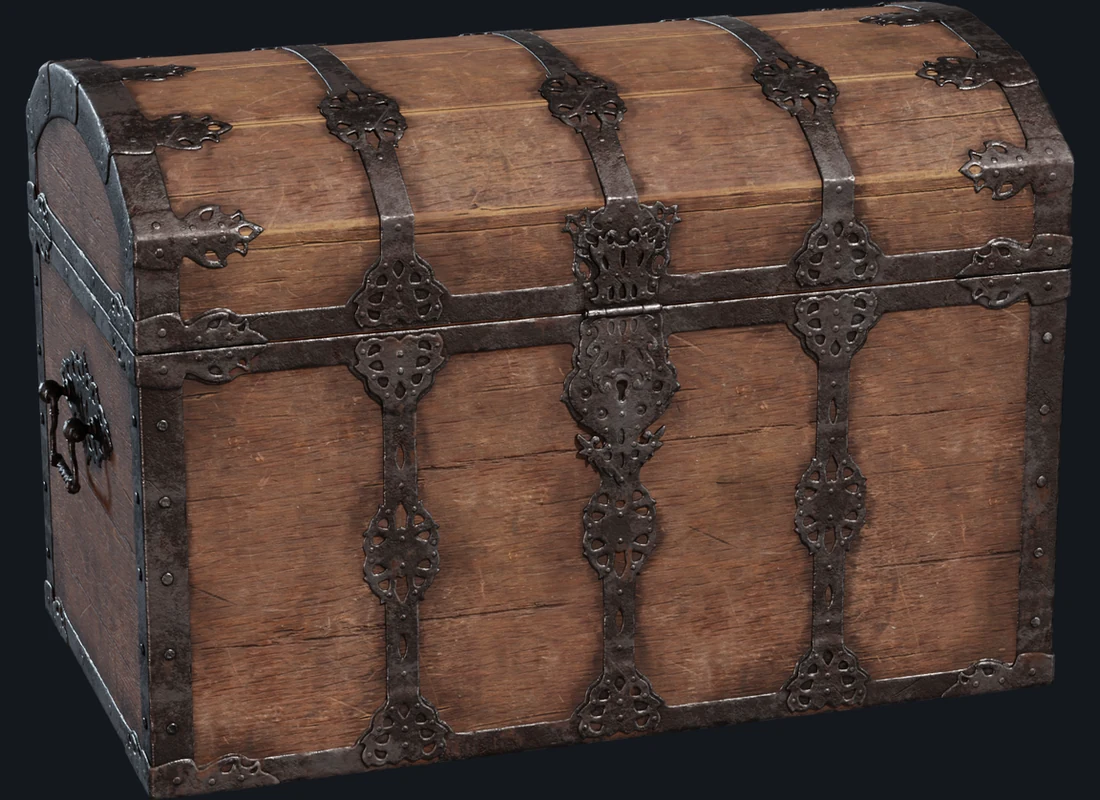
Every case ships two measured GLB quality tiers alongside the same local Three.js walkthrough running on this site. Each detail page publishes actual triangle counts and compressed file bytes side by side: for instance, the 80-triangle Moss Stone drops from 1.31 MiB in Standard to 320.3 KiB in Lightweight, while the 12-triangle Shipping Crate measures 54.2 KiB in Standard and 118.1 KiB in Lightweight because texture dimension caps bound GPU memory rather than guaranteeing smaller encoder output.
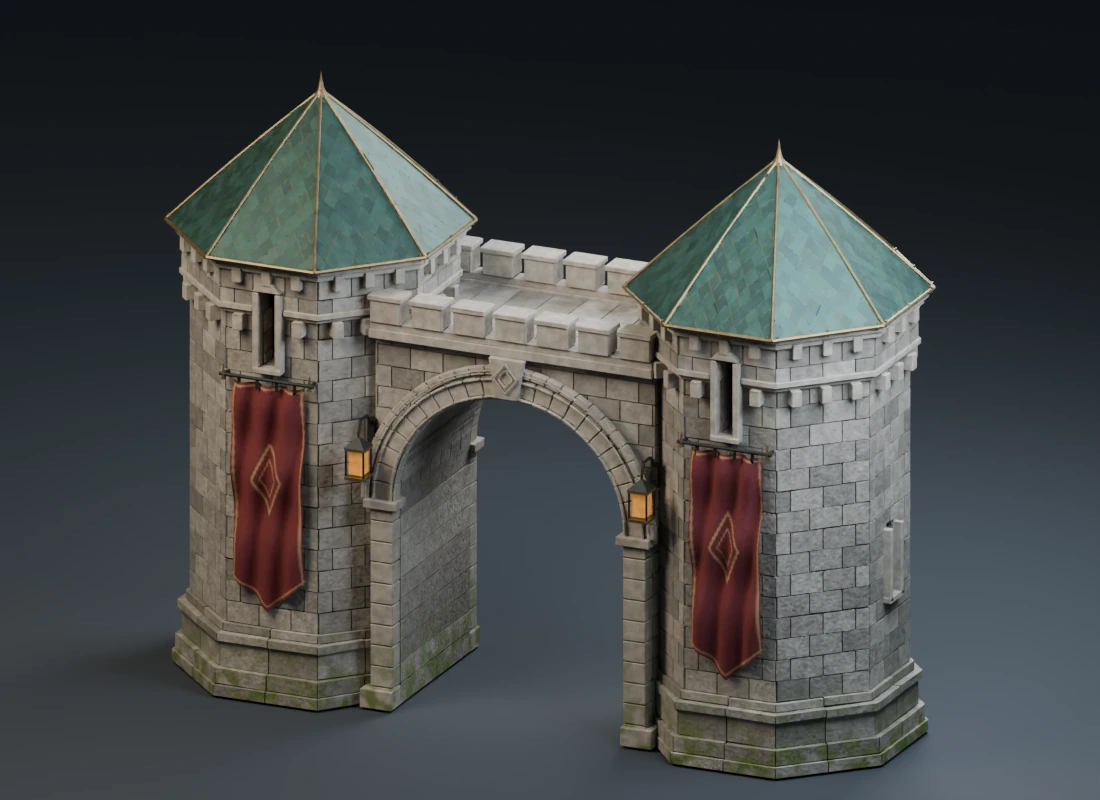
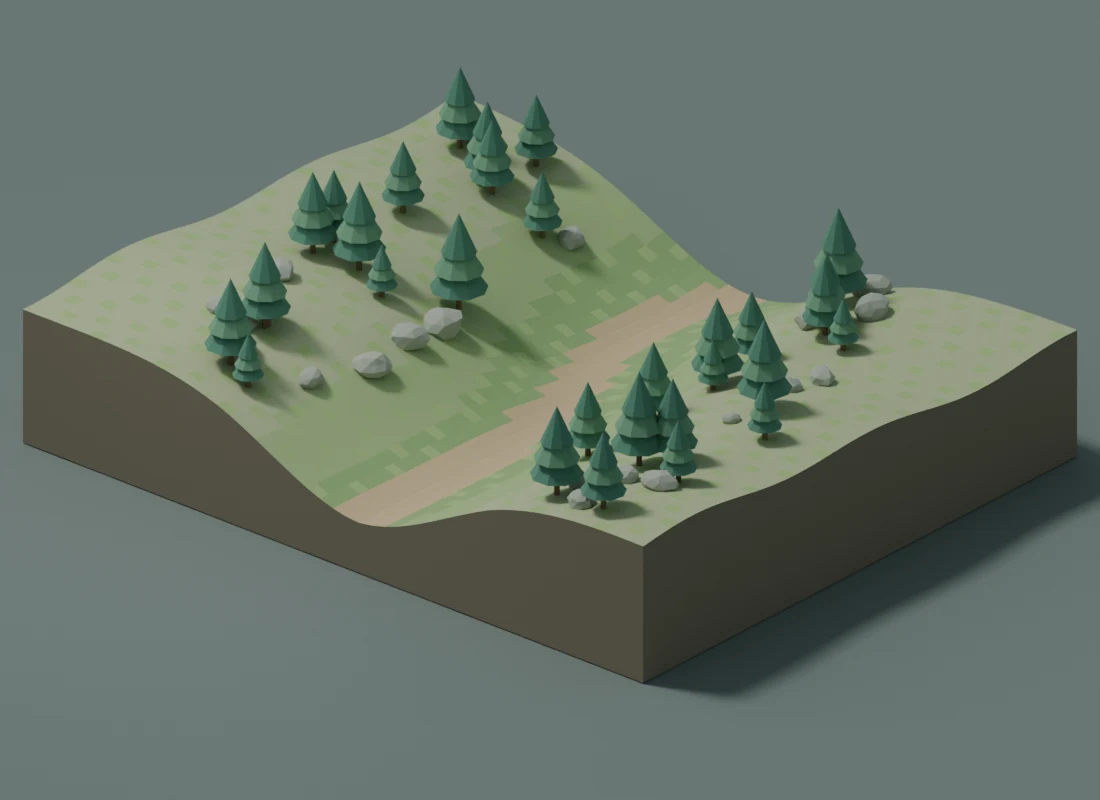
Collision data matches how each asset behaves in a game. Enterable buildings use local axis-aligned boxes (such as 28 boxes on Mossgate Passage) so doorways and arches remain open. Terrain scenes share an identical 49 × 49 sampled heightfield (2,401 heights across 4,608 ground triangles) across both tiers so characters never float or sink when switching quality. Static props use single conservative box colliders.
CC0 1.0 license for personal and commercial games
All nine scene packs are released under Creative Commons Zero (CC0 1.0), requiring no sign-in and no attribution in commercial or hobbyist builds. Each case also documents its exact authoring provenance, whether procedural Blender geometry or baked high-to-low PBR atlases, inside report.json and its source notes. Note that this CC0 release covers these nine self-authored scenes only, not third-party AI generation outputs.
The bundled runnable examples target web browsers and Three.js over a local static HTTP server. While standard .glb meshes open in Blender, Unity, Godot, and Unreal, importing the mesh alone does not transfer scene.json walk boxes, slope limits, or Three.js material lighting; rebuild and test collision in your target engine.
Frequently asked questions
Can I use these free 3D assets in a commercial game without attribution?
Yes. The nine downloadable scene packs are dedicated to the public domain under CC0 1.0, allowing personal and commercial use, modification, and redistribution without credit requirements.
Were these nine free scenes generated by an AI 3D model generator?
No. All nine buildings, terrain pieces, and props were authored locally with our own procedural and Blender baking workflows so developers can inspect clean, deterministic reference deliveries.
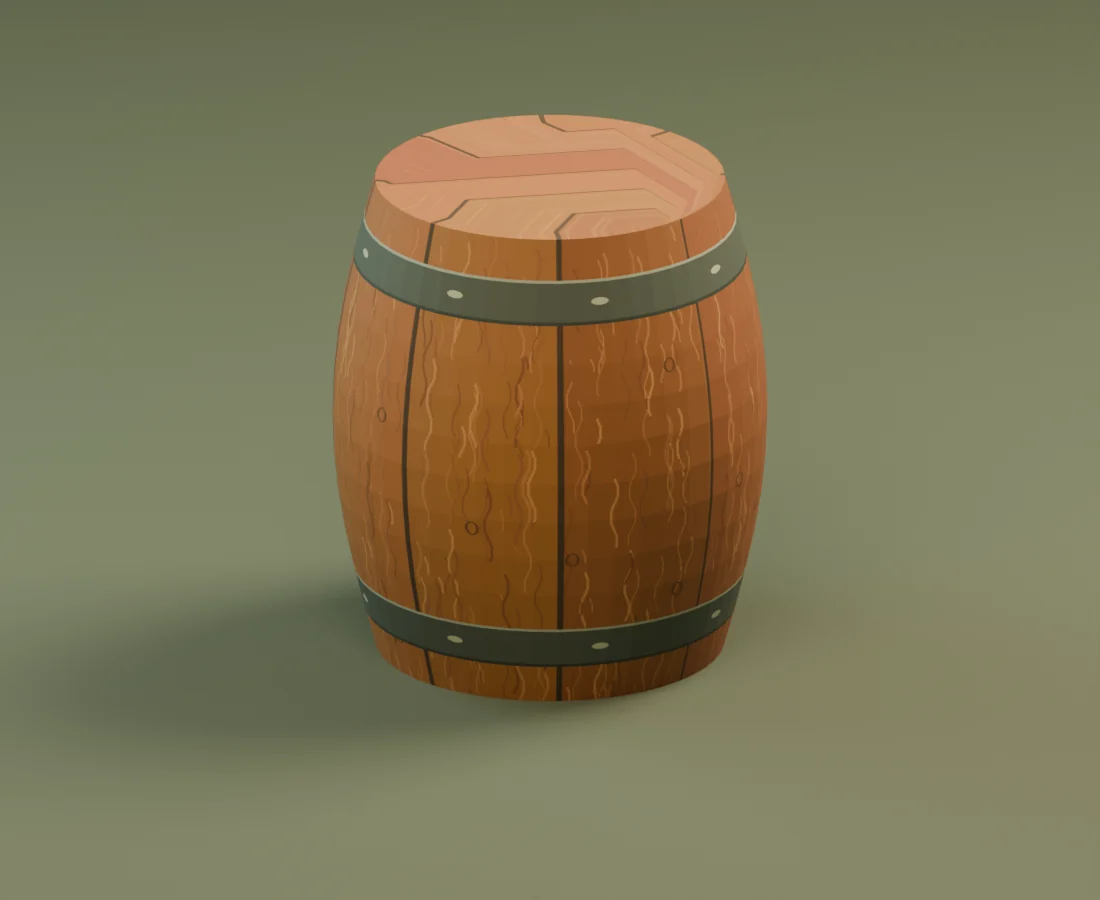
Why is the Lightweight GLB larger in bytes than Standard on the crate and barrel?
Standard caps textures at 1024 px and Lightweight caps them at 512 px to lower decoded WebGL GPU memory. Re-encoding procedural noise or grain at a different resolution does not always compress into fewer PNG/WebP bytes, so we publish both real file sizes unedited.
Do the downloaded zips need an internet connection or CDN to run?
No. Each zip bundles its own viewer scripts alongside standard.glb, lightweight.glb, and scene.json. Serve the unzipped folder over any local static HTTP server to run offline.
The scene files are released under CC0 1.0, free for any use including commercial, with no credit needed.